 How-to
Why Do Attractions Evolve Over Time?
Last Updated: November 17, 2026
Quick Summary
Attractions evolve because the people who hold them change, since preference is a living pattern shaped by experience, memory, and curiosity rather than a fixed setting. As life shifts, new experiences add new cues while old ones fade or deepen, so attractions evolve naturally over time.
- Early attraction forms from a mix of sensory cues, emotion, and repetition.
- Aesthetic appreciation and sexual attraction are different experiences, and both can shift.
- New experiences add new cues, while old cues fade or deepen.
- The free Curiosity Quiz at SoleCurio gives adults a structured way to explore these patterns.
- The optional Attraction Report adds context for reflection.
Table of Contents
- Why Attractions Evolve Over Time: The Short Answer
- Why Am I Attracted to Certain Types in the First Place?
- How Attraction Changes Over Time
- Frequently Asked Questions
Why Attractions Evolve Over Time: The Short Answer
Attractions evolve because the people who hold them change. Preference is not a fixed setting. It is a living pattern, shaped by experience, memory, and curiosity. This guide from SoleCurio explains why attractions evolve over time, and why that is normal.
Why Am I Attracted to Certain Types in the First Place?
Early attraction forms from a mix of sensory cues, emotion, and repetition. Aesthetic appreciation and sexual attraction are different experiences, and both can shift. Many adults wonder whether their pattern is unusual. Is My Attraction Preference Normal? What Psychology Says offers a calm, research-informed look at that question.
How Attraction Changes Over Time
Attraction shifts as life does. New experiences add new cues. Old ones fade or deepen. How Do I Analyze My Personal Attraction Archetypes? explores that process. For anyone noticing repeating patterns in who they notice, How to Break Repetitive Relationship Cycles adds practical guidance.
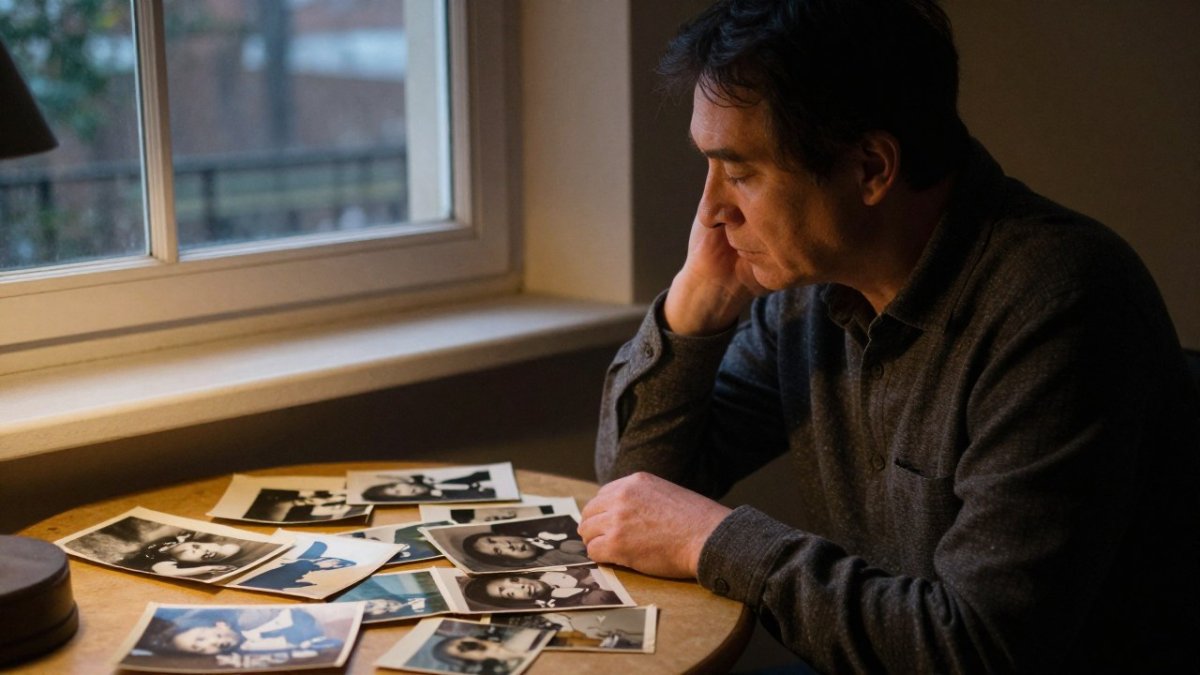
The free Curiosity Quiz at SoleCurio gives adults a structured way to explore these patterns, and the optional Attraction Report adds context for reflection.
Here is a quick look at how attraction shifts as life does.
| What changes | How it shifts |
|---|---|
| New experiences | Add new cues |
| Old cues | Fade or deepen |
| Attraction patterns | Shift as life does |
Attraction rarely stays still, and understanding why it moves is the first step toward understanding yourself. SoleCurio offers a judgment-free space for that work, with a 15-question quiz, a complete Attraction Map, and educational context that explains the patterns behind what catches your attention. Get started with SoleCurio and explore your curiosity with clarity.
Frequently Asked Questions
Is it normal for attraction to shift over time?
Yes. Attraction is not a fixed setting you are born with. It responds to new experiences, changing self-knowledge, and the people and images you encounter. Some people notice small shifts across a few years, others see a clearer pattern only in hindsight. A shift does not mean your earlier preferences were fake or that something is wrong now. It usually means you have learned more about what draws your attention and why.
Can your type change as you get older?
It can. Age brings different priorities, different reference points, and often more comfort with your own preferences. Someone who once chased a very specific look may later find that a broader range of features catches their eye. The underlying pull often stays similar while the details around it loosen. Tracking what stays constant versus what moves is more useful than worrying about whether your type has changed at all.
What is the difference between aesthetic appreciation and sexual attraction?
Aesthetic appreciation is noticing that something looks good, pleasing, or well-composed, the same way you might admire a building or a photograph. Sexual attraction involves desire directed at a person. The two can overlap, and one can exist without the other. Admiring the shape of a well-kept foot or the line of a pedicure does not automatically mean desire is involved. Separating the two helps you describe your own experience more accurately.